

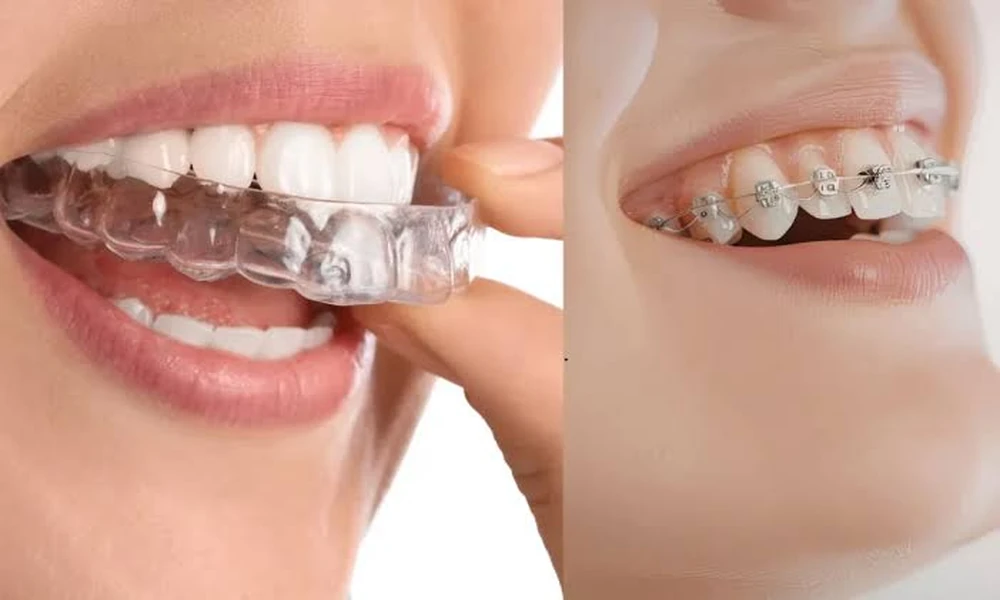
You may already be deep into this decision, scrolling photos, reading reviews, wondering whether metal braces will be a hassle or whether clear trays will actually work for your life. That stress is real. Orthodontic treatment is not just about a straighter smile. It affects how you eat, how you clean your teeth, how often you need checkups, and how much follow through the process asks from you. Some people even compare the level of long-term decision-making involved to tax planning guidance for individuals in Corona.
When people compare braces and aligners, they often focus on looks first. That makes sense, but appearance is only one piece. The better question is which option fits your bite, your habits, your budget, and your tolerance for daily upkeep. If you ask the right questions early, the choice gets clearer and the tradeoffs feel less overwhelming.
Your orthodontic needs shape whether braces or clear aligners make sense
The first question is simple. What exactly needs to be corrected? A mild spacing issue is different from a crowded bite, a rotated tooth, or a jaw alignment problem. Braces vs clear aligners is not a style contest. It is a treatment decision based on how much tooth movement is needed and how predictable that movement will be.
Traditional braces stay on your teeth full time, which gives orthodontists steady control. Clear aligners can be very effective, but they depend on both the treatment plan and your consistency. If your case is more complex, braces may offer more precision. The orthodontics team at CU Anschutz explains orthodontic treatment in a way that helps you see why different bite problems need different tools.
This is where many people get frustrated. They hear that aligners are easier, then find out they may not be ideal for every case. That does not mean aligners are a poor choice. It means your teeth are not a generic project. They need a plan built around your bite, not around marketing.
Your daily habits determine how manageable treatment will feel
The second question is whether your routine supports the treatment. Clear aligners usually need to be worn 20 to 22 hours a day. If you snack often, drink coffee throughout the day, or know you lose things easily, that can become a problem fast. You have to remove aligners before eating and most drinks, then brush before putting them back in. Missing a few hours here and there adds up.
Braces ask for a different kind of discipline. They stay put, so you do not have to remember to wear them, but they do make brushing and flossing more time consuming. Sticky foods, hard foods, and certain habits can lead to broken brackets or wires. You are not failing if that sounds annoying. It is annoying. The point is to be honest about which kind of inconvenience you are more likely to handle well.
If you have a teen in the family, this question matters even more. A recent piece from Tufts on what families should know about braces highlights the practical side of treatment decisions, especially when motivation and routine are still developing.
Oral health risks and comfort deserve more attention than most people give them
The third question is how each option may affect your teeth and gums during treatment. Orthodontic care can support long term oral health when it improves bite function and makes cleaning easier after treatment. At the same time, any appliance can create problems if hygiene slips. The Oral Health in America report from NIDCR reinforces a basic truth that still gets overlooked: oral health and daily maintenance are tightly linked.
Braces can trap food around brackets and wires. Aligners can hold bacteria against teeth if they are not cleaned properly or if they go back in after meals without brushing. Some people feel more soreness with tray changes. Others find braces more irritating at first because of metal rubbing against cheeks and lips. Neither option is pain free. Both usually get easier once your mouth adjusts.
Cost, treatment time, and follow through are easier to compare side by side
The fourth and fifth questions are about cost and timeline. How much will treatment really cost after exams, attachments, retainers, and follow up care? How long are you likely to be in treatment if everything goes as planned, and what happens if it does not?
| Comparison Point | Braces | Clear Aligners |
|---|---|---|
| Best fit | Often better for complex movement and bite correction | Often a strong fit for mild to moderate cases |
| Visibility | More noticeable | Less noticeable |
| Daily discipline | Fixed in place, less risk of forgetting | Requires consistent wear every day |
| Cleaning | Harder to brush and floss around brackets | Teeth are easier to brush, trays also need cleaning |
| Food limits | More restrictions | Fewer restrictions when trays are removed |
| Common setbacks | Broken brackets, wire irritation | Lost trays, inconsistent wear, delayed tracking |
Comparing braces and clear aligners gets easier when you stop looking for the perfect option and start looking for the option you are most likely to complete successfully. A shorter, less visible treatment only helps if you can stick with it.
Three steps help you choose between braces and aligners with less regret
Ask for a case specific recommendation. Do not settle for broad claims. Ask what your bite needs, what movements are hardest in your case, and why one option is being recommended over another.
Map your real routine. Think through meals, work, school, travel, and brushing habits. If you know you will struggle to keep trays in for most of the day, say that out loud. If food restrictions with braces sound unrealistic, say that too.
Get the full cost in writing. Ask about scans, repairs, attachments, retainers, missed appointment fees, and what happens if treatment takes longer than expected. This one step clears up a lot of stress.
A straight smile is the visible goal, but comfort, function, and consistency are what get you there. If you are weighing orthodontic treatment options, ask these five questions before you commit. The right choice is the one that fits your teeth and your life well enough that you can see it through.