

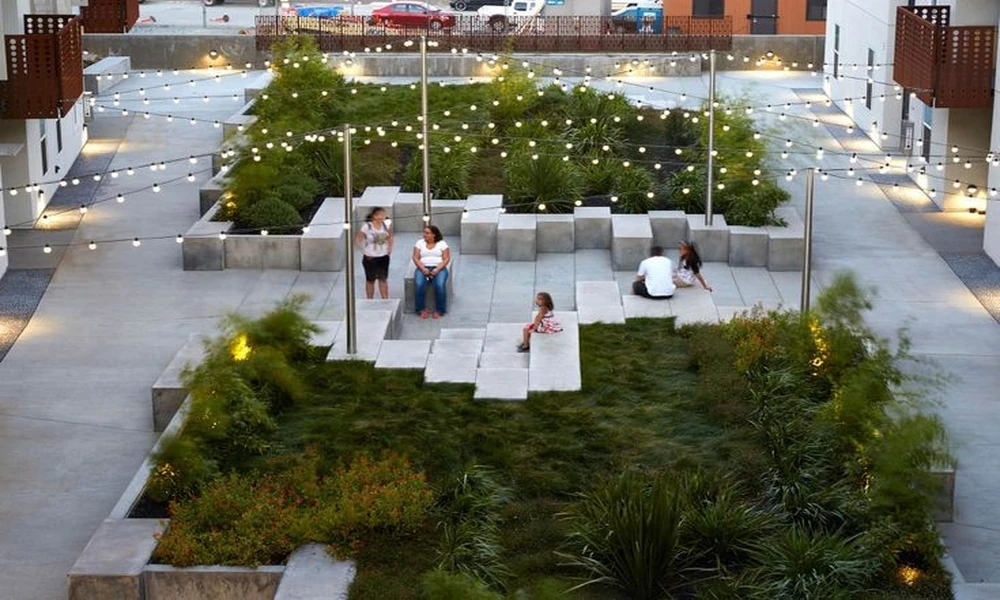
Thoughtful public spaces can change how communities use shared surroundings each day. When discussing what is placemaking, the focus often moves toward creating useful areas shaped by local needs. Streets plus open spaces influence movement while thoughtful planning encourages social contact. Simple features can make common areas easier for different age groups to use. Local voices also help planners understand habits that formal plans may miss.
Public Spaces Support Everyday Community Connections
Well-planned public areas provide suitable settings for regular social contact. They give residents places to meet while completing normal daily activities. Clear layouts also help different groups share the same surroundings easily.
Simple Features Improve Shared Public Areas
Small physical details often decide whether common spaces remain useful daily. Careful choices can support movement plus longer visits without complex changes.
- Clear walking routes help visitors move through busy areas safely.
- Suitable seating gives residents useful places for regular social contact.
- Shade structures provide shelter during warmer parts of the day.
- Visible signs help newcomers understand directions without unnecessary confusion quickly.
- Open gathering zones support meetings plus small community activities regularly.
- Suitable lighting improves visibility during darker hours around common areas.
- Local artwork communicates familiar stories through clear visual forms effectively.
- Regular maintenance keeps public facilities dependable throughout changing daily needs.
Practical features should match actual patterns instead of following appearance alone. Regular observation can reveal which improvements provide greater value for users.
Local Culture Shapes Meaningful Shared Places
Community identity often appears through artwork plus familiar design details. Local customs can influence how gathering areas are arranged or used. Respecting these patterns helps shared surroundings maintain a clear social character.
How Do Better Places Strengthen Everyday Community Connections?
Well-arranged spaces create more chances for neighbours to meet during ordinary routines. Comfortable seating areas may encourage conversation while clear walking routes make movement easier. Flexible gathering zones can support several activities without limiting the area to one purpose.
The idea behind what is placemaking becomes clearer when residents help shape decisions. Their comments reveal practical needs that drawings may not show. Regular feedback also helps planners understand changing habits over time. When local knowledge guides physical improvements, the result often serves more users while keeping the area’s familiar character.
Community Feedback Guides Better Planning Choices
Resident comments provide useful information about everyday movement plus common problems. Early discussion can reveal concerns before major physical work begins. Continued feedback also shows whether completed changes are serving their intended purpose.
Flexible Planning Handles Changing Local Needs
Shared areas may serve different purposes throughout each day or season. Adaptable layouts allow communities to adjust activities without rebuilding entire spaces. This approach also helps planners respond when local routines gradually change.
Regular Care Protects Public Space Quality
Good planning continues after physical improvements have already been completed. Cleaning plus timely repairs keep seating and pathways suitable for regular use. Clear responsibility prevents smaller maintenance concerns from becoming larger problems later.
Public facilities also need regular checks because usage patterns can change. Planners can study movement plus gathering habits before making further adjustments. Such reviews keep common areas useful without unnecessary rebuilding.
Thoughtful Design Builds Lasting Local Value
Strong communal settings grow through careful observation plus steady public involvement. Useful layouts should respond to real routines while remaining open to future change. Ongoing upkeep preserves function while measured adjustments solve emerging concerns. Consistent action creates dependable outcomes because lasting quality comes from regular attention rather than perfect execution.